
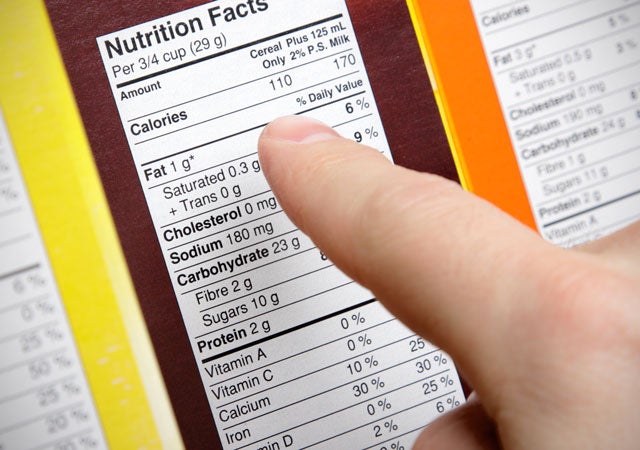
Figuring out what is in our foods seems like a mystery at times. We emphasize food logs to help you discover whether you are meeting your protein goals and keeping carbohydrate intake in check.
If you are using an app for food logging, the database is there. You just have to type in your foods. The food logging app calculates everything for you. You’ll often get the amounts of protein, carbohydrates, fiber, sugars and fat. You will need to be specific about the amount and type of food you are entering. If you just say cooked chicken breast, sometimes the default choice is much more that you really ate. Instead, enter the amount you ate and whether it is cooked. For instance, you can enter 2 ounces cooked skinless chicken breast for a more accurate portion.
What if you can’t find information on a food? One website you can turn to is www.nutrition.data.self.com. The data is from a USDA data base. This website will also list the amounts of vitamins and minerals in your chosen food. You can also use the information on the Nutrition Facts Label. Most apps will allow you to enter foods that may not be in their database.
Knowing what you are eating will help you keep on target with your nutrition goals. There is also research indicating your long term weight management is better when you really know what you are eating. It’s good to be in the know!
Information provided by Rene Norman, RD/LD, bariatric dietitian.
Dietitian Information